
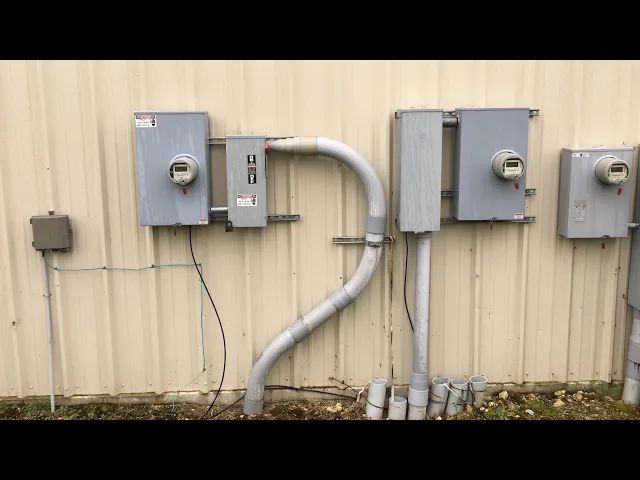
Is a circuit breaker upgrade right for your home? Learn the signs, costs, and how it enables a Generac generator installation in Southern California.
Date
Dec 16, 2025
Author
RC Admin
Read
9 min

A circuit breaker upgrade isn't just a minor fix—it's a complete replacement of your home's main electrical panel. Think of it as the central hub that sends power to every corner of your house. This is a major enhancement designed to boost your home’s electrical capacity, seriously improve safety, and get you ready for modern tech like EV chargers or a Generac home backup generator.
Is a Circuit Breaker Upgrade Right for Your Home?

Imagine your circuit breaker panel is the heart of your home’s electrical system. It’s constantly working, pumping electricity to every light, outlet, and appliance. But just like a heart, it can get overworked if you ask too much of it. When that happens, a circuit breaker upgrade becomes essential. It’s a crucial update for your entire electrical setup.
Many older homes here in California were built when our electrical needs were a lot simpler. Today, we’re running powerful kitchen gadgets, home offices, and big-screen TVs all at once. That heavy load can put a serious strain on an outdated panel, leading to frustrating issues and even dangerous situations.
Common Triggers for a Panel Upgrade
It's not always a problem that forces an upgrade. Many times, it’s a smart, proactive move to get your home ready for what’s next. You’ll likely need a panel upgrade if you’re:
Installing an EV Charger: Electric vehicles pull a large amount of power, and most older panels weren’t built to handle that kind of continuous demand safely.
Adding a Home Backup Generator: To properly integrate a powerful home backup system like a Generac generator, you need a modern panel that can work with an automatic transfer switch for a seamless power handoff during an outage.
Planning a Major Renovation: Remodeling your kitchen or adding a new room with all the latest appliances will almost definitely push an older electrical service past its limits.
Buying High-Demand Appliances: Things like a new hot tub, a central air conditioning unit, or an electric tankless water heater often require more power than an old panel can provide.
Sometimes, the signs are more subtle. Flickering lights when the A/C kicks on, breakers that trip all the time, or a panel that feels warm to the touch are all red flags. To help you figure out where you stand, we put together a quick checklist.
Quick Checklist for a Panel Upgrade
Use this checklist to quickly assess if your home is showing signs that it's time for a circuit breaker upgrade.
Symptom or Future Plan | Why It Signals an Upgrade Is Needed | Potential Risk Level |
|---|---|---|
Frequent Breaker Trips | Your panel is overloaded and can't handle the current electrical demand. | Medium to High |
Flickering or Dimming Lights | Inconsistent power flow, often caused by an outdated or failing panel. | Medium |
Adding an EV Charger | Requires a dedicated high-amperage circuit that older panels can't support. | High |
Installing a Hot Tub/Pool | These high-draw amenities demand more power than most 100-amp panels can safely provide. | High |
Planning a Kitchen Remodel | New ovens, microwaves, and small appliances will quickly max out an old panel. | Medium |
Adding a Standby Generator | A modern panel is required for an automatic transfer switch to function correctly. | Medium |
Panel is Over 25 Years Old | Electrical codes have changed, and older panels lack modern safety features. | High |
If you checked off even one or two of these, it’s a good idea to have a professional take a look. Ignoring these signs can lead to bigger, more expensive problems down the road.
A modern electrical panel isn’t just about adding more circuits. It’s about building a safer, more reliable foundation that can support your lifestyle today and for years to come.
Ultimately, a circuit breaker upgrade is about making sure your home's power demands don't outpace its capacity. It’s a fundamental investment in safety, reliability, and peace of mind, especially as our lives become more and more electric. If your home is showing its electrical age or you're planning for the future, it’s time to seriously consider an upgrade.
Ready to see if your home is prepared for modern power demands? The expert electricians at RC Generators & Electric provide professional assessments for California homeowners. Contact us today for a professional consultation.
Seven Warning Signs Your Electrical Panel Is Outdated

Your electrical panel is the heart of your home’s power system, but it won’t last forever. Long before it fails completely, it will give you subtle (and not-so-subtle) clues that it’s struggling. While a breaker that trips all the time is an obvious sign, a lot of other red flags fly under the radar.
Learning to spot these early warnings is crucial for preventing dangerous situations and planning a circuit breaker upgrade before you’re left in the dark.
Some of the most serious signs are the ones you can smell or feel. If you ever notice a faint but persistent burning smell coming from your panel, that’s a critical warning. It often means wires are overheating and melting their plastic insulation—a problem that can lead directly to an electrical fire.
Likewise, if the panel itself feels warm or hot to the touch, it's working way too hard. That’s a clear signal it's overloaded and can’t keep up with your home’s electrical demands.
Over-Reliance on Power Strips
Take a quick look around your home office or entertainment center. See a tangled mess of power strips and extension cords? That’s a common sign your electrical system is under strain.
This setup is a classic workaround for not having enough outlets, which almost always points back to an undersized or outdated panel. Pushing too much demand through a single circuit isn’t just a recipe for tripped breakers; it's a major fire hazard. A modern panel upgrade is the real solution, allowing an electrician to add the dedicated circuits you actually need.
Obsolete and Dangerous Panels in California Homes
If you live in an older home in California, there’s a decent chance you have a panel that’s now considered a serious safety risk. Two brands are especially notorious for failing and should be replaced on sight:
Federal Pacific Electric (FPE) Panels: Installed in millions of homes from the 1950s through the 1980s, these panels have a well-documented design flaw. Their breakers often fail to trip during an overload, creating a huge fire risk.
Zinsco Panels: Another common brand in older homes, Zinsco panels have breakers that can actually melt to the main connection point. When this happens, they can’t trip, letting a dangerous amount of electricity surge through your wiring.
If you have one of these panels, a circuit breaker upgrade isn't just a good idea—it's an urgent safety requirement.
A study of Federal Pacific panels found that they may fail to trip up to 80% of the time under overload conditions. This high failure rate is why most licensed electricians will recommend an immediate replacement upon discovering one.
Rust, Corrosion, and Other Physical Damage
Your electrical panel is built to be tough, but it’s not invincible. See any visible rust or corrosion on the box or the breakers inside? That's a huge problem. It means moisture has found its way in, which can ruin electrical connections and compromise the safety of the entire system.
This is especially true for the outdoor panels we see all over California. Water intrusion can cause short circuits and dramatically increase the risk of electrical shock. Don’t just ignore physical damage—it’s a clear sign the protective housing is no longer doing its job.
Recognizing these signs—from flickering lights and frequent trips to burning smells and outdated brands—gives you the power to act before a small problem turns into a catastrophe.
If any of this sounds familiar, don’t wait for things to get worse. Contact the certified professionals at RC Generators & Electric for a thorough inspection. We'll give you an honest assessment of your system and help you figure out if a circuit breaker upgrade is the right move to protect your home and family.
Future-Proofing Your Home with a Modern Electrical System

Think of a circuit breaker upgrade as an investment in your home’s future, not just another repair. It's like upgrading an old country road to a modern highway. As our lives fill up with more technology, that old road just can’t handle the traffic. Upgrading your electrical panel is the only way to get your home ready for the demands of modern living.
Too many homeowners wait until something goes wrong to think about their panel. The smart move is to upgrade when you’re planning for something new. A modern electrical system is the foundation you need to make all those exciting lifestyle upgrades possible.
Powering Your Modern Lifestyle
Let’s face it, today's homes are power-hungry. We’re not just running lights and a refrigerator anymore. We have high-demand appliances, decked-out home offices, and entertainment systems that pull a ton of electricity. An older panel quickly becomes the bottleneck that limits what you can do.
A new, high-capacity panel is the key that unlocks these popular projects:
Kitchen Remodels: Modern kitchens are loaded with powerful appliances—induction cooktops, double ovens, and high-wattage microwaves. A panel upgrade means you can run them all at once without constantly resetting breakers.
Home Additions or ADUs: Adding more square footage means adding more lights, outlets, and electrical load. A circuit breaker upgrade provides the capacity to power a new room or accessory dwelling unit safely.
High-Demand Hobbies: Are you a woodworker with power tools? Or a musician with an amp-filled studio? These hobbies need dedicated circuits and a level of power that older panels just can't deliver.
At the end of the day, a solid electrical panel gives you the freedom to build the home you’ve always wanted, without being held back by yesterday's wiring.
Preparing for an Electric and Resilient Future
The future of home energy is about more than just convenience—it's about resilience. With California’s grid stability becoming a real concern due to fires and other events, making your home self-sufficient is less of a luxury and more of a necessity. This is where a circuit breaker upgrade truly shines.
If you're thinking about getting an electric vehicle, you absolutely need to consider how a charging station will impact your home's electrical capacity. You can get a rough idea of what to expect with an EV charging station installation cost calculator.
A modern electrical panel is the central nervous system for a truly resilient home. It connects everything from your EV charger to your home battery, ensuring all components work together seamlessly when you need them most.
A new panel is the launchpad for these forward-thinking energy solutions:
Generac Home Generators: A powerful standby generator from Generac has to integrate with a modern panel and an automatic transfer switch. This is the setup that restores your home’s power within seconds of an outage, keeping the lights on and your family safe.
Home Battery Backup Systems: Systems like solar-powered generators or solar-free home batteries store energy for later use. A modern panel is essential for distributing that stored power safely and efficiently throughout your home when the grid goes down.
Ready to build the foundation for your home's future? The experts at RC Generators & Electric specialize in panel upgrades that support everything from Generac generators to advanced battery backup systems. Contact us for a consultation in California.
Pairing a Generac Generator with Your New Panel
Here in California, dealing with power outages from fires, storms, and an unstable grid has become a part of life. For many homeowners, a home standby generator isn't a luxury—it's how you get real peace of mind. A Generac home backup generator is the go-to for automatic, reliable power.
But getting one installed isn't as simple as dropping a box in your backyard. It has to connect safely to your home’s electrical system. That’s why a circuit breaker upgrade is often the most important first step.
Think of your electrical panel as the central hub for all the power in your home. A Generac generator relies on a smart device called an automatic transfer switch (ATS) to work its magic. The ATS is the brain of the whole operation.
When it senses a power outage from the utility, it immediately disconnects your home from the grid. Then, it signals the generator to start up, bringing your power back online in seconds.
But this critical switch needs a proper home. An older, maxed-out electrical panel usually doesn't have the physical space for the new breakers the ATS requires. More importantly, it might not have the electrical capacity to handle the load when the generator is powering your entire home. Trying to squeeze an ATS into an outdated panel is unsafe and won't work correctly.
Why a Modern Panel is Essential for Your Generator
Upgrading your panel before installing a generator isn't just a good idea; it's often a requirement for a safe installation that meets electrical codes. A new, higher-capacity panel ensures your entire backup power system works together seamlessly.
Here’s what a modern panel brings to a generator installation:
Sufficient Space: A new 200-amp panel has plenty of room to properly house the circuits for the automatic transfer switch without cramming everything together.
Proper Power Management: It gives you the capacity to handle the full output of your Generac generator, letting it power everything from the AC to the fridge without tripping breakers.
Seamless Integration: A modern panel is designed to work perfectly with an ATS. This guarantees the handoff from grid power to generator power is so smooth, you might not even notice it happened.
The automatic transfer switch is the unsung hero of a home backup system. It’s not just about convenience; it’s a crucial safety device that prevents your generator from sending power back into the utility lines, which could seriously injure utility workers.
Creating a Truly Resilient Home Power Solution
When you combine a modern electrical panel with a Generac generator, you create a truly resilient power solution. Your home is no longer at the mercy of an unpredictable grid. When the power goes out in your neighborhood, your lights stay on, your food stays cold, and any essential medical devices keep running.
This isn't just about convenience—it’s about keeping your family safe and maintaining a sense of normalcy during an emergency.
A circuit breaker upgrade is the foundation that makes this whole system possible. If you want to dive deeper into the specifics of setting up your home for uninterrupted power, check out our detailed Generac generator installation guide. It's the key to unlocking the full potential of your home backup system and making sure your family is protected, no matter what.
Ready to secure your home's power supply? Contact RC Generators & Electric today. Our licensed electricians in California are experts in panel upgrades and seamless Generac installations, giving you a complete solution for total peace of mind.
Understanding Costs, Permits, and Timelines in Southern California
Okay, so you’ve decided it’s time to move forward with a circuit breaker upgrade. It’s a big step, and you’re probably wondering about the practical details. Figuring out the costs, local permit rules, and what a typical project timeline looks like can take a lot of the stress out of the process.
The good news? It’s more straightforward than you might think, especially when you have an experienced electrician handling all the logistics for you.
For homeowners in Southern California, the final price tag for a panel upgrade can vary quite a bit. No two homes are the same, and a few key factors will shape the total cost.
Breaking Down the Costs
The biggest factor influencing the cost is the amperage of the new panel. If you're upgrading from an old 100-amp panel to a modern 200-amp service—which is pretty much the standard for homes adding things like EV chargers or central air—it’s going to be a more significant investment than a simple like-for-like replacement.
But other things come into play, too.
Wiring Complexity: If your home's wiring needs to be brought up to current code, that will add to the labor and material costs.
Panel Location: An easily accessible outdoor panel is usually less work to replace than one tucked away in a tight, finished space indoors.
Necessary Upgrades: Sometimes, the main service line coming into your house from the utility pole also needs an upgrade, which can affect the final price.
For a deeper dive into what goes into the final estimate, our guide on the average cost to upgrade an electrical panel breaks it down even further.
Navigating Permits and Inspections
In Southern California, a panel upgrade isn't a weekend DIY job. It’s a major electrical project that requires permits and official inspections to ensure everything is done safely and to the latest National Electrical Code (NEC) standards.
A licensed electrician handles the entire permitting process for you. This includes submitting plans to your local building department and coordinating with the inspector for the final sign-off. This makes sure your upgrade is safe, legal, and fully documented.
The inspection is a critical part of the process. A city inspector will visit your home after the new panel is installed to verify that the work is flawless before the utility company gives the green light to restore permanent power.
A Typical Project Timeline
From your first call to the final sign-off, the process follows a pretty clear path. Knowing the steps helps you know what to expect on installation day.
This graphic shows how a panel upgrade is a key step in getting a home backup system up and running, giving you true energy independence when the grid goes down.

Here’s what that process usually looks like:
Initial Consultation: An electrician comes out to assess your current panel, talk about your future needs (like that EV or a Generac generator you’re thinking about), and give you a detailed quote.
Permit Application: Once you approve the work, your contractor files for the necessary permits with your city. This can take anywhere from a few days to a couple of weeks.
Installation Day: The actual panel swap usually takes 4 to 8 hours. During this time, your home's power will be off, so plan accordingly!
City Inspection: The inspection is typically scheduled for the same day or the very next business day.
Final Power-Up: After the inspector gives the thumbs-up, the utility company gives their final approval, and your power is fully restored.
Ready to take the next step toward a safer, more capable electrical system? Contact RC Generators & Electric for a professional consultation and a clear, upfront quote for your home.
Choosing the Right Electrician for a Safe Upgrade
A circuit breaker upgrade is one of the most important safety investments you can make in your home. That also means hiring the right professional is the single most critical decision in the entire process.
This isn’t a job for a handyman or a DIY weekend project. It’s a complex task that, if done wrong, can create serious fire hazards and put your entire family at risk. You're literally trusting someone with the heart of your home's electrical system.
When you're looking for an electrician in California, the first thing you need to do is verify their license. A valid C-10 Electrical Contractor license isn't just a piece of paper; it's proof that they’ve met the state’s tough standards for knowledge, safety, and real-world experience. An unlicensed individual simply doesn't have the proven expertise to handle your home's main power source safely.
Key Qualifications for Your Electrician
Beyond the license, a few other qualifications are essential to make sure the job gets done right and passes inspection. A truly professional company will be upfront about all of this.
Comprehensive Insurance: Proper insurance is a crucial safety net for both you and the contractor. You can learn more about the specifics in our guide to electrical contractor insurance requirements.
Local Code Experience: An electrician who regularly works in your California city will know the local codes like the back of their hand. This is huge for ensuring your project passes inspection the first time without any headaches or delays.
Specialized Experience: Don't be shy about asking for their experience with projects just like yours, especially if you plan to add a Generac generator or an EV charger down the line.
Think about it this way: when you hire a pro for a major home project, you're not just looking at their technical skills. A well-organized company that's good at streamlining admin tasks for electricians is often a sign of a smoother, more professional experience for you from start to finish.
Cutting corners by hiring an unlicensed person can void your homeowner's insurance and leave you liable for any damages or injuries that occur. A professional, licensed electrician is your only guarantee of a safe, code-compliant installation.
The Bigger Picture of Electrical Upgrades
The demand for qualified electricians to perform a circuit breaker upgrade is growing faster than ever. This is driven by the shift towards renewable energy and home backup power systems like those offered by Generac.
This boom really underscores the importance of choosing an expert who understands modern energy systems and the tech needed to keep them running safely.
Choosing a trustworthy expert like RC Generators & Electric ensures your upgrade is done right the first time, protecting your home and your investment for years to come.
Ready for a professional consultation for your panel upgrade? The licensed team at RC Generators & Electric is here to ensure your project is safe, compliant, and ready for the future. Contact us today to schedule an appointment.
Your Panel Upgrade Questions, Answered
Getting a circuit breaker upgrade is a big step, and it's natural to have questions. To help you feel more comfortable with the process, here are some straight-up answers to the things we hear most often from homeowners in California.
How Long Will My Power Be Out During the Upgrade?
For a typical panel swap, you can expect the power to be off for about 4 to 8 hours. A good electrician knows how to plan the job to keep the inconvenience to a minimum.
The entire replacement is almost always done in a single business day, so you’ll have your lights back on by dinner. Before we start, we'll give you a clear timeline so you know exactly what to expect and can plan your day. It's a small interruption for decades of improved safety and reliability.
What Amperage Do I Need: 100A or 200A?
For years, 100-amp panels were the norm, but they just can't keep up with the demands of a modern California home. These days, a 200-amp panel is the smart choice for most families, especially if you're thinking about adding an EV charger, running central air conditioning, or installing a Generac home backup generator. It gives you all the power you need now, with plenty of room to grow.
To get it right, a licensed electrician will run what’s called a "load calculation." It's a detailed look at your home's current and future electrical demands to figure out the perfect panel size to power everything safely and efficiently.
Will a New Electrical Panel Increase My Home's Value?
It absolutely will. A modern electrical panel isn't just a maintenance item; it's a real selling point that boosts your home's value.
For a potential buyer, seeing a new panel is a huge relief. It tells them the home’s electrical system is safe, current, and ready for all their tech. It’s one less thing to worry about during a home inspection and can make your property stand out in a crowded market. Think of it as an investment in both your safety and your home's future resale price.
Do I Have to Upgrade My Panel to Install a Generac Generator?
In a lot of situations, the answer is yes. To properly install a Generac home backup generator, you need an automatic transfer switch (ATS) to handle the switch from grid power to generator power during an outage.
Many older panels are completely maxed out, with no physical space or electrical capacity left to safely add this critical component. A circuit breaker upgrade makes sure your whole system—the grid, your new panel, and the generator—all work together perfectly, giving you reliable power when you need it most.
Is your home ready for a safer, more reliable electrical future? The licensed professionals at RC Generators and Electric are experts in panel upgrades and Generac generator installations. Contact us today for a comprehensive consultation and a clear, upfront quote for your home.