
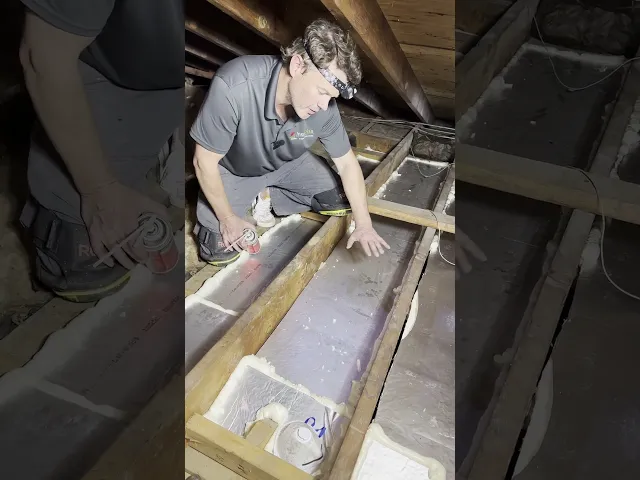
Use our complete home energy audit checklist to find savings in every room and see when you need backup power. Your guide to a more efficient California home.
Date
Dec 4, 2025
Author
RC Admin
Read
7 min
Your 2025 Home Energy Audit Checklist: 10 Key Areas
Rising energy costs across California, from Los Angeles to Ventura County, have many homeowners searching for practical ways to cut down on their monthly bills and improve their home's overall efficiency. But where do you even begin? A thorough home energy audit is the essential first step towards uncovering hidden energy waste and creating a more comfortable, cost-effective living space. Guessing where you're losing energy is a recipe for wasted time and money; a systematic check is the only way to get a true picture of your home's performance.
This comprehensive home energy audit checklist is designed specifically for the everyday homeowner. We’ve broken down the complex process into 10 manageable areas, guiding you through a systematic inspection of your property. We'll walk you room-by-room, from the attic insulation down to the foundation, explaining exactly what to look for without getting bogged down in confusing technical jargon. You'll gain a clear understanding of how your home consumes—and loses—energy, empowering you to make targeted, effective improvements.
More importantly, this guide will help you identify when a simple DIY fix is sufficient and when it’s time to plan for bigger, more impactful upgrades. We'll cover how to assess if your current electrical system can handle modern demands like an EV charger or a home battery backup. You'll also learn when to call a professional electrician to ensure your electrical panel is ready for a reliable Generac home standby generator, providing peace of mind and uninterrupted power for your family during fires, hurricanes, and other emergencies. If you're ready to take control of your energy usage and start saving, this checklist is your roadmap.
1. Thermal Imaging and Insulation Assessment
One of the most powerful tools in a modern home energy audit checklist is thermal imaging, also known as infrared thermography. This non-invasive technology uses a specialized camera to visualize temperature differences across surfaces, essentially making heat visible. By translating heat into a color-coded image, it provides an intuitive map of your home's thermal performance, revealing hidden energy waste that would otherwise go unnoticed.
This technique is incredibly effective at pinpointing precisely where your conditioned air, whether hot or cold, is escaping. It can instantly identify missing or settled insulation in wall cavities, unsealed gaps around windows and doors, and thermal bridges where heat transfers directly through framing materials.
Why It's a Critical First Step
A thermal scan provides undeniable visual evidence of energy loss. It moves beyond guesswork, allowing you to target your improvement efforts with surgical precision. For example, instead of assuming all your windows need replacing, an infrared camera might reveal that the real issue is poor sealing around just one or two frames. To optimize your home's thermal performance, particularly within the attic and roof, it's crucial to gain deeper insights into your roof's insulation. For a comprehensive overview, understanding your roof's R-value and insulation is an excellent starting point.
Common issues detected include:
Insulation Deficiencies: Gaps, voids, or compressed insulation in attics and walls appear as distinct cold spots (in winter) or hot spots (in summer).
Air Leakage: Blue or purple streaks often indicate cold air infiltration around electrical outlets, baseboards, and window frames.
Moisture Intrusion: Damp areas can appear cooler than surrounding materials due to evaporative cooling, helping detect potential leaks before significant damage occurs.
For homeowners in Ventura and Los Angeles counties, identifying these weak points is key to reducing high cooling costs. An effective thermal envelope not only lowers utility bills but also ensures your backup power systems, like a Generac home standby generator, don't have to work overtime to maintain a comfortable temperature during an outage.
2. HVAC System Efficiency Evaluation
Your heating, ventilation, and air conditioning (HVAC) system is often the single largest consumer of energy in your home. A thorough efficiency evaluation is a cornerstone of any effective home energy audit checklist, focusing on how well this critical system heats, cools, and moves air. This process goes beyond simply checking if the system turns on; it involves a detailed inspection of equipment age, maintenance history, and performance.
An evaluation can reveal significant and costly inefficiencies. For example, a 20-year-old furnace may be operating at only 65% efficiency, meaning 35 cents of every dollar you spend on heating is wasted. Similarly, an air conditioner with a low refrigerant charge can see its efficiency drop by up to 20%, forcing it to run longer and harder to cool your home. This process systematically identifies these energy drains, paving the way for targeted improvements.
Why It's a Critical Step
An inefficient HVAC system not only inflates your utility bills but also struggles to maintain consistent comfort and can lead to premature failure. By evaluating your system's performance, you can make informed decisions about repairs, maintenance, or upgrades that yield substantial long-term savings. For instance, discovering that 15-30% of your conditioned air is lost through leaky ducts in the attic provides a clear and actionable path to improving performance without replacing the entire unit. For more ideas on boosting your system's performance, our guide on home energy efficiency tips offers additional valuable insights.
Common issues detected include:
Outdated Equipment: Identifying older units with low efficiency ratings compared to modern Energy Star standards.
Ductwork Leakage: Pinpointing disconnected, unsealed, or poorly insulated ducts in unconditioned spaces like attics and crawlspaces, which is a primary source of energy loss.
Incorrect Sizing: Determining if the system is too large or too small for your home, both of which lead to inefficiency, poor dehumidification, and increased wear and tear.
For homeowners in Ventura and Los Angeles counties, optimizing HVAC efficiency is crucial for managing high cooling costs. A well-maintained system ensures that your backup power solution, such as a Generac home standby generator, can operate efficiently to keep your home comfortable and safe during a power outage without being overburdened.
3. Air Sealing and Infiltration Testing
While thermal imaging shows you where heat is escaping, air sealing and infiltration testing tells you how much unwanted air is moving in and out of your home. This process involves a combination of visual inspections and a specialized diagnostic tool called a blower door. The blower door test depressurizes your home, exaggerating air leaks so they can be easily located and measured, providing a clear metric for your home’s overall airtightness.
This quantitative approach moves beyond simply feeling a draft. It identifies the cumulative impact of dozens of small, hidden leaks: gaps around plumbing pipes, unsealed attic hatches, recessed light fixtures, and cracks in the foundation. These seemingly minor issues collectively act like a window left open year-round, forcing your HVAC system to work much harder to maintain a comfortable temperature.
Why It's a Critical Next Step
A blower door test provides a specific number that benchmarks your home's performance. For instance, a test might reveal your home is much leakier than modern building standards recommend. This data is invaluable for creating a targeted air-sealing strategy, ensuring you invest in the most impactful improvements first.
Common issues detected include:
Major Air Bypasses: Significant leaks are often found where different building materials meet, such as the joint between the foundation and the walls or around furnace flues and ductwork passing into the attic.
Recessed Lighting Leaks: Older recessed can lights, especially in ceilings below an attic, are notorious for allowing significant air exchange between your living space and the unconditioned attic.
Electrical and Plumbing Penetrations: Small gaps around every wire and pipe entering your home add up, creating a major source of energy loss that a blower door test can help you pinpoint.
For homeowners in Ventura and Los Angeles counties, a tighter home is easier and cheaper to cool. By reducing air infiltration, you also ensure that your backup power system, like a professionally installed Generac standby generator, operates more efficiently during an outage, conserving fuel and maintaining comfort for longer periods. If you’ve identified significant air leaks, it's wise to consult with professionals like RC Generators & Electric who can assess how these issues might impact your home's overall electrical and energy management systems.
4. Window and Door Performance Analysis
Your home's windows and doors are primary gateways for energy to enter and escape, making them a critical focus of any thorough home energy audit checklist. This analysis goes beyond a simple visual check, evaluating the thermal performance, air tightness, and overall condition of these crucial components. A poorly performing window or door can act like an open vent, undermining your insulation efforts and forcing your HVAC system to work much harder to maintain a stable indoor temperature.
Evaluating these openings helps you understand where your home is most vulnerable to the elements. For instance, an old single-pane window allows significantly more heat transfer than a modern double-pane unit. This performance gap is a major source of energy waste in both summer and winter, directly impacting your utility bills.
Why It's a Critical Step
Identifying underperforming windows and doors allows you to make strategic decisions about repair, weatherization, or replacement. Instead of a costly whole-home replacement, you might find that deteriorating weather stripping on a single exterior door is responsible for a significant draft. A detailed analysis lets you prioritize fixes that deliver the biggest return on investment.
Common issues detected include:
Air Infiltration: Gaps around frames, sashes, and thresholds allow unconditioned air to leak in. This is often caused by old, cracked, or missing weather stripping and caulk.
Poor Thermal Performance: Outdated single-pane glass or non-insulated frames offer little resistance to heat flow, creating hot or cold spots nearby.
Broken Seals: In double or triple-pane windows, a failed seal allows the insulating gas to escape, often resulting in condensation or fogging between the panes and negating the window's efficiency.
For homeowners in Ventura and Los Angeles counties, high-performance windows and doors are essential for keeping cool air inside and reducing strain on your air conditioner. This improved efficiency also means that if you rely on a Generac home standby generator during a power outage, it will use less fuel to keep your home comfortable. If you discover major air leaks or need new circuits for powered window treatments, contact the experts at RC Generators & Electric for a professional consultation.
5. Attic and Roof Inspection
The attic is one of the most significant sources of energy loss in a home, acting as a buffer zone between your living space and the extreme temperatures outside. A thorough attic and roof inspection is a fundamental part of any home energy audit checklist, focusing on insulation levels, air leakage, ventilation, and moisture issues. Examining this space reveals how well your home retains conditioned air and protects itself from the elements.
This inspection involves more than a quick peek. It requires assessing the type, depth, and condition of the insulation to determine its R-value, which is its capacity to resist heat flow. It also includes checking for blocked vents, signs of pests, and any water stains on the underside of the roof deck that could indicate leaks. A poorly insulated and ventilated attic forces your HVAC system to work much harder, driving up energy costs.
Why It's a Critical Checkpoint
The condition of your attic directly impacts both your energy bills and your home's structural integrity. Inadequate insulation, such as having R-19 where your climate zone requires R-49, leads to massive heat gain in the summer and heat loss in the winter. Proper ventilation is equally important, as it prevents moisture buildup that can lead to mold growth and wood rot.
Common issues detected include:
Insufficient Insulation: Many older homes have far less insulation than modern standards recommend, leading to major thermal inefficiencies. You might find that insulation has settled over time or that entire sections are missing.
Blocked Ventilation: Soffit vents are often blocked by insulation or debris, which suffocates the attic and traps hot, moist air. This can drastically shorten the lifespan of your roof.
Air Leaks: Gaps around light fixtures, plumbing stacks, and the attic access hatch create pathways for conditioned air to escape directly into the unconditioned attic space.
For homeowners in Ventura and Los Angeles counties, a well-sealed and insulated attic is the first line of defense against high summer cooling bills. Ensuring this part of your home is optimized also means that if the power goes out, your Generac standby generator won't have to run as long or as hard to maintain a comfortable indoor temperature, saving fuel and reducing wear on the system.
6. Water Heating System Assessment
Often overlooked, your water heater is one of the largest energy consumers in your home, typically accounting for 14-18% of your utility bill. A thorough water heating system assessment evaluates its efficiency, condition, and settings to uncover significant savings opportunities. This part of a home energy audit checklist goes beyond a simple visual check to analyze performance metrics and identify waste.
The process involves examining the water heater’s type (e.g., storage tank, tankless, heat pump), age, and its efficiency rating. For instance, a standard electric tank heater is far less efficient than a modern heat pump water heater, which uses a fraction of the energy. The assessment also checks for uninsulated pipes and excessive temperature settings.
Why It's a Critical Check
An inefficient water heater continuously wastes energy and money. Identifying these losses allows you to make targeted improvements that yield immediate returns on your utility bills. Lowering the thermostat from a factory-set 140°F to the Department of Energy-recommended 120°F can save up to 10% on water heating costs alone without a noticeable difference in performance.
Common issues detected include:
Excessive Heat Loss: Uninsulated hot water pipes, especially the first few feet extending from the tank, can lose a significant amount of heat before the water ever reaches your faucet.
Inefficient Unit: An aging or improperly sized water heater works harder than necessary, consuming excess electricity or gas.
High Temperature Settings: Settings above 120°F increase standby heat loss and pose a scalding risk, providing little practical benefit for most households.
For homeowners in Ventura and Los Angeles counties, optimizing water heating is a powerful way to lower monthly expenses. If your assessment indicates an aging or inefficient unit, exploring professional water heater installation services can lead to significant energy savings. A more efficient system also reduces the electrical load, ensuring your Generac home standby generator can power more essential circuits during an outage.
7. Lighting and Appliance Audit
The energy consumed by lighting and appliances often represents a significant portion of a household's monthly electricity bill. A lighting and appliance audit involves systematically inventorying every fixture and major device in your home to assess its age, energy consumption, and usage patterns. This practical step in any home energy audit checklist moves beyond the thermal envelope to tackle the high-impact energy users inside your home.
This process uncovers hidden inefficiencies, from an outdated refrigerator in the garage to incandescent bulbs still lingering in closets and hallways. Identifying these energy drains is the first step toward significant cost savings, as modern replacements can offer dramatic reductions in power consumption for the same or better performance. For example, a 15-year-old refrigerator could use more than twice the energy of a new ENERGY STAR certified model.
Why It's a Critical Next Step
After addressing insulation and air leaks, optimizing your appliances and lighting provides the next wave of major energy savings. It allows you to reduce your home's baseline energy demand, which is crucial for maximizing efficiency and minimizing strain on your electrical system. For homeowners in Ventura and Los Angeles counties, lowering this daily load makes your home more resilient and cost-effective, especially when running on a Generac standby generator during an outage.
Common issues detected include:
Outdated Lighting: Replacing a single 60-watt incandescent bulb with a 9-watt LED equivalent can save over 85% on lighting energy for that fixture.
Energy-Guzzling Appliances: Older refrigerators, freezers, and clothes dryers are notorious for high energy use. An audit helps prioritize which ones to replace first for the best return on investment.
Phantom Loads: Many electronics consume power even when turned off. An audit can identify these "vampire" devices, which can be managed with smart power strips.
Upgrading your lighting is one of the quickest and most effective energy-saving measures you can take. To explore professional options for modernizing your home's illumination, see how our experts can help with your indoor and outdoor lighting needs. A comprehensive lighting and appliance strategy not only cuts utility costs but also reduces the size and fuel consumption required for a home backup generator.
8. Foundation and Basement/Crawlspace Inspection
Often overlooked, the foundation, basement, or crawlspace is a critical component of your home's energy efficiency and overall health. An inspection of this below-grade area is an essential part of any thorough home energy audit checklist, as it can reveal significant sources of energy loss, moisture problems, and air quality issues that affect the entire house. This process involves examining the foundation walls, floor, and rim joists for signs of air leakage, insufficient insulation, and water intrusion.
Because of the "stack effect," where air flows from low to high, air from your basement or crawlspace is constantly being pulled up into your living areas. If this space is damp, unsealed, or uninsulated, you are circulating poor quality, unconditioned air throughout your home, forcing your HVAC system to work much harder to maintain temperature and humidity levels.
Why It's a Foundational Check
A dry, well-sealed, and insulated foundation is the base for an energy-efficient home. This inspection moves beyond the visible parts of your house to address the root causes of many comfort and efficiency problems. For instance, discovering a damp crawlspace not only explains high humidity levels upstairs but also identifies a potential risk for mold growth and structural damage. Addressing these foundational issues provides a high return on investment by lowering energy bills and improving indoor air quality.
Common issues detected include:
Air Infiltration: Gaps around pipes, vents, and the sill plate where the foundation meets the house frame are major culprits for drafts.
Insulation Deficiencies: Uninsulated concrete walls or exposed rim joists allow for massive heat transfer, making floors cold in the winter and wasting energy year-round.
Moisture Problems: Signs of efflorescence (a white, chalky powder) on concrete walls, standing water, or high humidity readings (above 60%) indicate a moisture control failure that needs immediate attention.
For homeowners in Ventura and Los Angeles counties, ensuring your foundation is properly sealed is also a crucial step in preparing for power outages. A well-sealed home maintains its temperature for longer, reducing the load on your backup power system. This means your Generac home standby generator or battery backup won't have to cycle as frequently to power your HVAC, conserving fuel and energy when you need it most.
9. Renewable Energy Potential Assessment
A crucial part of any forward-looking home energy audit checklist involves evaluating your property’s suitability for renewable energy. This assessment analyzes your specific site conditions, including solar exposure, roof orientation, and available space, to determine the feasibility of installing systems like solar panels. It moves beyond simply reducing energy consumption to actively producing your own clean, reliable power.
The goal is to calculate the potential energy generation and return on investment for solar photovoltaic (PV) systems. For example, a south-facing roof in Ventura County with minimal shade might be perfect for a solar system capable of generating enough electricity to significantly reduce or eliminate your utility bill. This can translate into thousands of dollars in annual savings and greatly reduce your dependence on the grid.
Why It's a Critical Long-Term Strategy
Assessing your renewable potential helps you understand how to achieve true energy independence. Instead of just trimming your usage, you can create a plan to generate most, or even all, of your home's electricity. This is especially valuable in California, where utility rates are high and power outages are a frequent concern. Combining a solar array with a home battery backup, like a solar-powered generator system, creates a resilient and self-sufficient power solution.
Common factors analyzed include:
Solar Viability: Assessing roof direction, pitch, and shading from trees or nearby structures to calculate potential energy output.
System Sizing: Analyzing your past utility bills to accurately size a system that meets your household's needs.
Structural Readiness: Ensuring your roof structure can support the additional weight of solar panels.
Financial Incentives: Researching federal, state, and local rebates or tax credits to lower the upfront installation cost.
For homeowners in Los Angeles and Ventura counties, pairing a solar installation with a home battery transforms your system from a simple grid-tied producer into a comprehensive power source. You can learn more about how to store your solar energy and keep your lights on during an outage by exploring energy storage systems for homes. This setup ensures you have reliable backup power, far superior to portable generators, and maximizes the value of your renewable energy investment.
10. Building Envelope Air Quality and Ventilation Review
A truly comprehensive home energy audit checklist extends beyond just energy loss to include the health and safety of your indoor environment. As we make our homes tighter to conserve energy, we risk trapping pollutants inside, making a ventilation review essential. This assessment evaluates how effectively your home exchanges stale indoor air with fresh outdoor air, ensuring a healthy balance between efficiency and air quality.
This process involves checking for adequate ventilation, monitoring indoor humidity and carbon dioxide (CO2) levels, and inspecting mechanical systems like exhaust fans. The goal is to prevent the buildup of contaminants like VOCs from new furnishings, allergens, and excess moisture, which can lead to mold growth and respiratory issues. A well-ventilated home is a healthy home, and modern systems achieve this without sacrificing the energy you've worked hard to save.
Why Healthy Air Is an Energy Issue
Poor ventilation can force your HVAC system to work harder to manage humidity and temperature, negating efficiency gains from insulation and air sealing. For instance, high humidity makes the air feel warmer, causing you to lower your air conditioner's thermostat. Proper ventilation maintains comfort and air quality while minimizing energy consumption.
Common issues detected include:
Inadequate Fresh Air Exchange: Consistently stuffy air is a clear sign that fresh air is not being introduced effectively, leading to poor comfort and fatigue.
High Humidity: Readings above 60% create ideal conditions for mold and mildew growth, which can damage your home and impact your health. Proper venting is crucial.
Negative Air Pressure: Improperly vented exhaust fans or appliances can create negative pressure, potentially pulling dangerous combustion gases like carbon monoxide back into your home.
For homeowners in Ventura and Los Angeles counties, managing indoor air quality is vital for comfort and health. Ensuring your ventilation is up to par also protects sensitive electronics and ensures your Generac generator and backup systems operate in a clean, stable environment. If you have concerns about your home’s ventilation or electrical systems, the experts at RC Generators & Electric can assess your setup and recommend solutions that integrate seamlessly with your energy goals.
10-Point Home Energy Audit Comparison
Service | 🔄 Implementation complexity | ⚡ Resource requirements | 📊 Expected outcomes | 💡 Ideal use cases | ⭐ Key advantages |
|---|---|---|---|---|---|
Thermal Imaging and Insulation Assessment | 🔄 Medium — trained operator; seasonal ΔT needed | ⚡ Infrared camera (professional $3k–$15k) or hire ($300–$800) | 📊 Visual heat maps; pinpoints insulation gaps, air leaks, moisture | 💡 Envelope diagnostics, pre-retrofit prioritization, moisture detection | ⭐ Non‑destructive, fast identification with clear visual proof |
HVAC System Efficiency Evaluation | 🔄 Medium–High — technical testing and interpretation | ⚡ HVAC gauges, airflow meters; professional visit ($150–$300); seasonal limits | 📊 System efficiency, refrigerant/airflow issues, replacement vs. repair recommendation | 💡 When HVAC is major energy draw or before system replacement | ⭐ Targets largest energy consumer; prevents failures and optimizes performance |
Air Sealing and Infiltration Testing | 🔄 Medium — blower door + targeted sealing; skilled rater recommended | ⚡ Blower door test ($400–$800); low‑cost sealants and foam; moderate labor | 📊 Lowers ACH; reduces heating/cooling loads ~10–20%; measurable ROI (1–3 yrs) | 💡 Drafty homes, high ACH results, first-cost‑effective retrofit step | ⭐ High impact per dollar; improves comfort and energy bills quickly |
Window and Door Performance Analysis | 🔄 Medium — U‑value/AL checks and installation quality assessment | ⚡ Low‑cost assessment; replacements expensive ($400–$1,500+/window) | 📊 Identifies major envelope losses (25–30%); recommends weatherization or replacement | 💡 Old single‑pane windows, noisy/drafty areas, high solar exposure | ⭐ Improves comfort, security, noise reduction and long‑term energy savings |
Attic and Roof Inspection | 🔄 Medium — requires attic access and thorough inspection | ⚡ Basic tools for R‑value and moisture checks; upgrades can be labor‑intensive | 📊 Finds R‑value gaps, ventilation and moisture issues; reduces energy and prevents damage | 💡 Homes with inadequate insulation, ice dam risk, or roof leaks | ⭐ Cost‑effective insulation gains; protects roof structure and extends lifespan |
Water Heating System Assessment | 🔄 Low–Medium — simple checks; replacements require plumbing | ⚡ Low‑cost fixes (pipe/tank insulation); replacements $800–$2,500; possible plumbing mods | 📊 Reduces water‑heating energy 15–25%; savings $150–$400/yr with upgrades | 💡 High hot‑water bills, old tanks, planning replacement | ⭐ Quick payback on insulation; large efficiency gains with heat‑pump models |
Lighting and Appliance Audit | 🔄 Low — inventory and usage analysis; easy recommendations | ⚡ Time for inventory; LEDs inexpensive; appliance replacements costly | 📊 Immediate lighting savings (~75% with LEDs); appliance savings $100–$600/yr | 💡 Homes with incandescent lighting or aging appliances | ⭐ Fastest ROI (LEDs); easy DIY improvements and behavioral changes |
Foundation and Basement/Crawlspace Inspection | 🔄 Medium–High — structural, moisture and radon diagnostics | ⚡ Moisture/radon tests; remediation can be expensive ($1k–$5k+) | 📊 Identifies water/radon risks; reduces heat loss (~5–10%) and mold risk | 💡 Signs of moisture, high humidity, or finished basements | ⭐ Prevents costly structural/health issues; improves IAQ and durability |
Renewable Energy Potential Assessment | 🔄 Medium — site, shading, structural and financial analysis | ⚡ Site survey costs; high upfront system cost ($12k–$25k+); incentives lower net cost | 📊 Estimates kWh production, payback (6–12 yrs), carbon reduction and value increase | 💡 Homes with good solar/wind exposure, long‑term owners, high electricity rates | ⭐ Long‑term generation, carbon reduction, increased property value |
Building Envelope Air Quality & Ventilation Review | 🔄 Medium–High — IAQ monitoring and ventilation design | ⚡ CO2/humidity monitors; ERV/HRV systems $2k–$5k; ongoing maintenance | 📊 Improved IAQ, lower contaminants, better humidity control and cognitive benefits | 💡 Tight/retrofit homes, occupants with health concerns, after aggressive air sealing | ⭐ Protects occupant health while maintaining energy performance via heat recovery |
From Checklist to Action: Secure Your Home's Energy Future
You have now navigated the comprehensive, room-by-room journey of a thorough home energy audit. By methodically working through this checklist, you've moved beyond abstract ideas about energy savings and into the realm of tangible data and actionable insights. You are no longer just a homeowner; you are your home's primary energy manager, armed with the knowledge to pinpoint specific weaknesses in your building's thermal envelope, evaluate the performance of critical systems, and identify opportunities for significant improvements.
This process has illuminated the interconnected nature of your home's energy ecosystem. A drafty window in the living room is not an isolated issue; it directly impacts your HVAC system's workload and, consequently, your utility bills. An under-insulated attic doesn't just make the second floor uncomfortable; it represents a constant, invisible drain on your finances. Completing your home energy audit checklist is the critical first step in severing these chains of inefficiency.
Key Takeaways and Immediate Next Steps
Your completed checklist is a personalized roadmap to a more efficient, comfortable, and resilient home. The most impactful takeaways likely fall into these key areas:
The Building Envelope is Paramount: Your audit almost certainly revealed gaps, cracks, and insulation deficiencies. Sealing air leaks around windows, doors, and utility penetrations is one of the most cost-effective DIY projects you can undertake for an immediate return on investment.
HVAC is the Heart of Your Home: The efficiency of your heating and cooling system is a massive factor in your energy consumption. Simple actions like cleaning filters, sealing ductwork, and ensuring proper airflow can yield noticeable results.
Modern Electrical Demands Require a Modern Panel: Perhaps the most crucial insight, especially for California homeowners, is understanding your electrical system's capacity. Your audit of the electrical panel is a gateway to future-proofing your home for EV chargers, home battery backups, and increased reliance on electric appliances. An outdated or undersized panel is a significant roadblock to true energy independence.
Your next steps should be prioritized based on cost and impact. Start with the low-cost, high-impact fixes you can do yourself this weekend. Then, use your findings to create a strategic plan for larger investments, such as new windows or a high-efficiency water heater.
Bridging Efficiency with Energy Resilience
Mastering the concepts in this guide empowers you to not only lower your monthly bills but also to enhance your home's resilience. In areas like Los Angeles and Ventura County, grid instability, Public Safety Power Shutoffs (PSPS), and the threat of wildfires make energy reliability a primary concern. The ultimate step in securing your home's energy future is preparing for these outages.
An energy-efficient home requires less power to operate, which means a home backup generator or battery system can run your essential circuits for a much longer duration. This synergy between efficiency and backup power is where true peace of mind is found. When your audit reveals that your home is ready for the next step—or that your electrical system needs an upgrade to get there—it's time to consult with professionals who specialize in creating seamless, reliable energy solutions. A professionally installed Generac home standby generator or a solar-powered battery system is not just an appliance; it's a permanent solution that protects your family, your property, and your comfort when the grid cannot.
Ready to take the next step from auditing to action? If your home energy audit checklist revealed the need for an electrical panel upgrade or sparked your interest in a whole-home backup power solution, our team at RC Generators & Electric is here to help. We are experts in installing and servicing Generac home standby generators and home battery systems to ensure Los Angeles and Ventura County families are prepared for any outage. Contact us today for a professional electrical assessment and a free quote on securing your home's energy independence.